
THCP
-
Higher Education 2G THCP Sugar Wax - Northern Lights (Indica) 

Higher Education 2G THCP Sugar Wax - Northern Lights (Indica)
Higher Education 2G THCP Sugar Wax - Northern Lights (Indica)
$29.99 -
Higher Education 2G THCP Sugar Wax - Fantasy Melon (Hybrid) 

Higher Education 2G THCP Sugar Wax - Fantasy Melon (Hybrid)
Higher Education 2G THCP Sugar Wax - Fantasy Melon (Hybrid)
$29.99 -
Higher Education 2G THCP Sugar Wax - Gorilla Glue 4 (Hybrid) 

Higher Education 2G THCP Sugar Wax - Gorilla Glue 4 (Hybrid)
Higher Education 2G THCP Sugar Wax - Gorilla Glue 4 (Hybrid)
$29.99 -
Higher Education 2G THCP Sugar Wax - Tropicana Grape (Indica) 

Higher Education 2G THCP Sugar Wax - Tropicana Grape (Indica)
Higher Education 2G THCP Sugar Wax - Tropicana Grape (Indica)
$29.99 -
Higher Education 2G THCP Sugar Wax - Pink Apricot (Sativa) 
Higher Education 2G THCP Sugar Wax - Pink Apricot (Sativa)
Higher Education 2G THCP Sugar Wax - Pink Apricot (Sativa)
$29.99


THCP Products: Explore THCP Vapes, Concentrates and More
There's always that one cannabinoid everyone's talking about like it's some secret weapon, and right now, that's THCP. You've probably seen the number floating around online claiming it's dozens of times stronger than regular THC, and you're wondering if that's actually true or just a marketing headline.
Short answer, it's a little of both, and this guide walks through the real science behind THCP without the hype. We'll cover what it actually is, how it compares to more familiar cannabinoids, and what to look for whether you're ready to buy THCP for the first time or just comparing THCP vapes and concentrates before you decide.
What is THCP?
THCP is a cannabinoid found in cannabis that's structurally similar to THC but with a longer molecular side chain, a small difference that turns out to matter quite a bit in how the compound interacts with your body.
It's a relatively recent discovery, first identified by Italian researchers in 2019, making it part of a wave of newer cannabinoids that scientists have only started studying in real depth over the past few years. THCP occurs naturally in cannabis plants, but only in extremely small amounts, which is why commercial products typically involve additional processing to reach usable concentrations.
How THCP Differs From THC?
The key structural difference is THCP's alkyl side chain, which contains seven carbon atoms compared to THC's five. That extra length is thought to help the molecule fit more precisely into cannabinoid receptors, which is the basis for a lot of the buzz around this compound.
How THCP is Produced for Commercial Products?
Because THCP occurs so sparingly in nature, almost none of what's sold commercially is extracted directly from cannabis flower. Instead, most supply comes from a conversion process that starts with more abundant cannabinoids, like CBD or THCA, and transforms them into THCP through a series of chemical steps.
This kind of cannabinoid conversion has become increasingly common across the hemp industry, allowing rarer compounds to reach commercial scale. It also means the quality and care taken during that conversion has a real impact on the final product's purity, which is exactly why independent testing matters more with THCP than with more naturally abundant cannabinoids.
How Does THCP Work?
Like other cannabinoids, THCP interacts with your endocannabinoid system, a network of receptors involved in mood, pain, appetite, and a range of other functions. Early laboratory research suggests THCP binds to CB1 receptors, the ones most closely associated with cannabis's psychoactive effects, with notably higher affinity than THC.
That stronger binding affinity is where claims about THCP's increased potency come from, though it's worth being careful about what that research actually shows.
Why the "33x Stronger" Claim Needs Context?
The often-cited figure comes from the original 2019 study measuring how strongly THCP binds to CB1 receptors compared to THC in a controlled lab setting, not from human trials measuring actual felt effects. Binding affinity is a real, measurable property, but it's just one piece of a much more complicated picture that determines how a cannabinoid feels once it's in your system.
Most people who've tried THCP products describe a noticeably stronger effect than standard THC, but not anything close to a literal 33 times difference in how it actually feels. Dose, absorption, and individual body chemistry all play a role too.
What are THCP Products?
THCP shows up across a range of formats these days, usually blended with other cannabinoids like Delta 9 or THCA rather than sold entirely on its own, which helps balance potency with a more manageable overall experience.
| Format | Typical Use |
|---|---|
| THCP Vapes and Disposables | Fast, ready-to-use inhalation |
| THCP Concentrates and Sugar Wax | Strong, fast-acting dabbing experience |
| THCP Cartridges | Reusable battery-based inhalation |
| THCP Edibles | Longer-lasting, smoke-free option |
| THCP Pre Rolls | Traditional smoking experience |
Beyond format, THCP products also vary by cannabinoid profile. Pure THCP is rare and typically very high potency, while THCP and Delta 9 blends balance familiar effects with extra strength, and THCP and THCA blends combine a traditional high with an added potency boost. None of these approaches is universally better, it comes down to whether you want THCP front and center or as a stronger accent on a more familiar experience.
What are the Benefits of THCP Products?
People reach for THCP mainly for the increased potency, wanting a stronger effect from a smaller amount of product compared to standard THC. Experienced users who've built up tolerance to regular THC often find THCP offers a way to still feel a genuinely strong effect.
● A notably stronger effect for experienced users
● Efficient use, since less product delivers more
● Availability across multiple formats, from vapes to concentrates
● Blends that combine THCP with other cannabinoids for a more balanced experience
Current research on THCP is still fairly limited and mostly focused on lab-based receptor binding studies rather than large-scale human trials, so a lot of what's understood comes from early research and user reports. It's worth approaching bold marketing claims with some healthy skepticism.
Beyond potency, the format variety itself is a real draw. Whether you already prefer dabbing, vaping, or something else entirely, THCP's growing availability across categories means there's usually a way to try it that fits how you already like to consume cannabis, rather than forcing you into an unfamiliar routine just to access a stronger cannabinoid.
What Effects Can THCP Produce?
Effects vary by dose, formula, and individual tolerance, but most users report something noticeably stronger than a comparable dose of standard THC. The specific feeling still depends a lot on strain and cannabinoid blend.
● Strong intoxicating effects
● Euphoric, uplifting sensations from sativa-leaning products
● Deep, heavy relaxation from indica-leaning products
Not everyone reports the same intensity, even at similar potency levels. Individual tolerance, body chemistry, and the specific cannabinoid blend all play a role, which is part of why starting with a smaller amount matters more with THCP than with more familiar cannabinoids.
How strong a THCP product feels also depends on more than just the percentage on the label. Dose, your existing tolerance, and the presence of other cannabinoids in the blend all factor into the final result, which is why two people trying the same product can walk away with pretty different impressions.
THCP vs. Other Cannabinoids
| Comparison | How They Compare |
|---|---|
| THCP vs. Delta 9 THC | THCP generally reported as stronger, with far less research behind it |
| THCP vs. THCA | THCA converts to standard THC when heated, THCP is already active and more intense |
| THCP vs. CBD | THCP is strongly psychoactive, CBD is non-intoxicating |
None of these comparisons make THCP objectively better than the alternatives, just different. Delta 9 remains the most familiar and well-documented option, THCA appeals to anyone who wants a more traditional flower-style experience, and CBD serves a completely different purpose for people who want a cannabinoid experience without any psychoactive effect at all. THCP's role is really carved out for people specifically chasing more intensity than those other options typically deliver.
THCP Vapes and Disposables
A THCP vape pen is an inhalable device loaded with THCP distillate, giving you access to this stronger cannabinoid without a dab rig or any extra equipment. Most come as disposables, meaning the device, battery, and oil are all packaged together and ready to use straight out of the box.
A small battery powers a heating coil that warms the distillate into vapor, and most disposables fire automatically the moment you draw on the mouthpiece. Because vapor enters your bloodstream directly through your lungs, effects typically show up within just a couple minutes, faster than almost any other format.
What's Inside a THCP Disposable?
Crack one open and you'd find a handful of small components: THCP distillate blended with carrier oil and terpenes, a small oil chamber, a heating coil, a battery, and a mouthpiece with an airflow system tuned for a smooth draw. Quality varies a lot between brands, which is exactly why checking for lab results matters before buying any disposable.
Why Do People Choose a THCP Disposable?
● Ready to use with zero setup
● Compact, portable, and easy to keep discreet
● Fast-acting effects through inhalation
● No separate battery to charge or track down
Rechargeable vs. Non Rechargeable THCP Vapes
Some THCP disposables include a rechargeable battery, letting you use up every drop of oil before the device dies. Others are strictly single-use, with zero maintenance until they're empty. Neither style is better across the board, it comes down to whether you want the option to top off the battery partway through.
THCP Concentrates
THCP concentrate delivers this cannabinoid in its most potent, unadulterated form, most commonly as sugar wax, a grainy, crystalline texture that tends to preserve flavor especially well. Concentrates skip the carrier oil and dilution you'd find in a vape, which is why they typically test higher in THCP percentage than any other format.
The sugar-like appearance comes from a specific combination of moisture retention and crystallization during processing. Rather than being whipped smooth or purged completely dry, sugar wax is allowed to form small crystal structures while retaining a bit of liquid terpene content, which is exactly what gives it that grainy consistency and bold aroma.
Dabbing THCP Concentrate
Using it means dabbing, applying direct heat through a traditional rig or an electronic dab device to vaporize a small amount at a time. Getting the temperature right protects flavor, since sugar wax carries a lot of terpene content that's sensitive to overheating. Too hot and you'll burn off flavor and waste product, too cool and it won't fully vaporize.
● Heat the nail, banger, or chamber to the right temperature
● Apply a small amount of THCP concentrate with a dab tool
● Inhale slowly as it vaporizes
● Let the device cool before your next dab
THCP Concentrate vs. THCP Vape
| Attributes | THCP Concentrate | THCP Vape |
|---|---|---|
| Setup Required | Dab rig or electronic dab device | None, ready to use |
| Potency | Highest, minimal dilution | Blended with carrier oil and terpenes |
| Portability | Needs extra tools to carry too | Highly portable, pocket-sized |
Understanding THCP Potency
Potency labeling for THCP products can be more layered than a standard THC item, mainly because THCP is so often blended with other cannabinoids. A bigger device or jar doesn't necessarily mean more THCP specifically, since total product size and cannabinoid concentration are two separate numbers worth checking independently.
● Check THCP percentage or milligram content specifically
● Look at the full cannabinoid blend if THCP is combined with others
● Factor in your own tolerance before choosing a strength
Grabbing the highest percentage available isn't always the smartest move, especially for anyone still building tolerance. A product that matches your actual experience level tends to deliver a far more enjoyable session than one that overwhelms you.
THCP and Terpenes
Terpenes are the naturally occurring aromatic compounds responsible for a strain's distinct smell and flavor, and they play a real role in shaping the THCP experience beyond just potency. Because THCP products are so often built around a specific strain's terpene profile, two products with nearly identical THCP percentages can still taste, and feel, pretty different from each other.
Some researchers believe terpenes may interact with cannabinoids to shape the overall effect, an idea often called the entourage effect, though this remains an active area of study. Whatever the underlying mechanism, most users agree terpene profile noticeably changes how a THCP product feels, not just how it tastes.
How Fast Does THCP Work, and How Long Does It Last?
Onset follows the same general pattern as other cannabinoids, determined by format rather than the cannabinoid itself. Vapes, concentrates, and pre rolls typically produce effects within just a few minutes, while THCP edibles take 30 minutes to two hours since they have to pass through digestion first.
Inhaled THCP products generally last one to three hours, with the added potency sometimes stretching that window a bit further than a comparable THC product. Edibles run longer, often four to eight hours, consistent with how edibles behave regardless of cannabinoid.
● Draw size, dab size, or dose
● THCP concentration in the specific product
● Your individual tolerance
● Whether you're a new or experienced user
Indica vs. Sativa vs. Hybrid THCP Products
THCP products are built around specific strains just like other cannabis products, and that genetic background shapes the overall character of the experience, though given THCP's strength, even a balanced hybrid formula can still feel fairly intense.
| Strain Type | Typical Feel | Best For |
|---|---|---|
| Indica | Heavy, deeply relaxed | Evening or wind-down use |
| Sativa | Strong, energizing, uplifting | Daytime or social use |
| Hybrid | Balanced but still intense | Flexible, any-time use |
Strain labeling only tells part of the story with THCP specifically, since the exact cannabinoid concentration and terpene profile shape the experience just as much as indica or sativa genetics. Two hybrid THCP products from different brands can feel noticeably different, so checking the full formula matters more here than with lower-potency cannabinoids you might already be familiar with.
Why Third Party Lab Testing Matters?
Given how THCP is typically produced through additional processing, and how potent it is, verifying exactly what's in a product carries extra weight compared to more naturally abundant cannabinoids. Testing confirms the actual THCP content matches the label, screens for pesticides and heavy metals, and checks for residual solvent or byproducts from production.
Every THCP product we carry at Higher Education, across vapes, concentrates, and everything in between, goes through independent lab testing, with certificates of analysis kept accessible so you can review any product before buying.
● Cannabinoid potency verification against the label
● Full cannabinoid profile testing for any blend
● Purity and contaminant screening
● Published certificates of analysis for every batch
THCP Products at Higher Education
Our THCP lineup spans concentrates and disposable vapes, giving you multiple ways to explore this cannabinoid across different formats and strain profiles. Everything is lab tested before it ever reaches our shelves.
THCP Sugar Wax
For serious potency alongside bold flavor, our THCP sugar wax runs through a rotating lineup of strains, including Northern Lights, Fantasy Melon, Gorilla Glue 4, Tropicana Grape, and Pink Apricot, available in 1g and 2g sizes.
Every jar is lab tested before it hits our shelves, so you know exactly what you're getting into before your first dab, whether you're after the deep relaxation of an indica-leaning batch or the energizing lift of a sativa-leaning one.
THCP Disposable Vapes
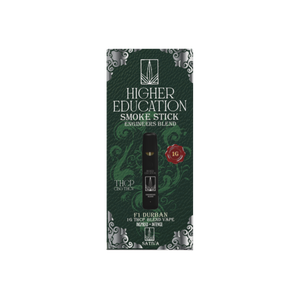
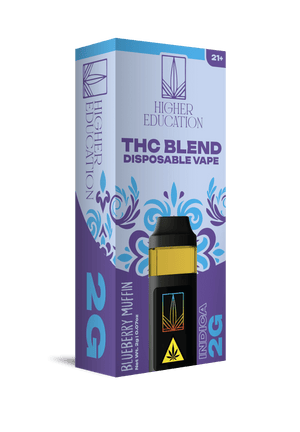
Our disposable lineup covers 1g and 10g devices across a rotating cast of strains, including Godfather OG, F1 Durban, Jealousy, Cherry Zlushie, Orange Cream, Sour Runtz, Blue Nerdz, Lemon Gelato, and Purple Octane, so there's a THCP vape pen for pretty much any flavor preference.
Whether you want a quick sampler to try the cannabinoid for the first time or a longer-lasting 10g supply for regular use, everything runs through the same standard: independent lab testing, clear labeling, and a strain selection that keeps the lineup interesting.
How to Choose the Right THCP Product?
With multiple formats, cannabinoid blends, and potency levels available, narrowing down the right THCP product comes down to a handful of practical questions.
● Concentrates for maximum potency, disposables or cartridges for convenience
● Lower THCP content for newer users, higher for experienced dabbers or vapers
● Indica for a heavy, relaxed effect, sativa for an energizing lift, hybrid for something balanced
● Always check for published lab results before buying
Choosing by Device Size or Concentrate Amount
For vapes, a 1g disposable is a solid entry point for trying a new strain without committing to a bigger purchase, while a 10g device offers considerably better value per session for regular users who already know they like THCP. Concentrates follow a similar logic, with 1g jars suited to occasional use and 2g jars offering better value for anyone dabbing regularly.
Choosing by Flavor and Terpene Profile
● Fruity or candy-like profiles for a sweeter taste
● Earthy or gassy profiles for a more traditional flavor
● Citrus profiles for something bright and sharp
How to Use THCP Products Responsibly?
Given THCP's added potency, treating these products with more caution than standard THC items is a genuinely smart default, even if you're an experienced user.
● Start with a small amount, well below what you'd normally take
● Wait to gauge the full effect before using more
● Avoid driving or operating machinery after use
● Store products securely, away from children and pets
This matters even more with THCP than with a cannabinoid you're already familiar with, since individual reactions can vary more widely given how strongly it binds to CB1 receptors. Giving a new product time to fully kick in before deciding you need more is one of the easiest ways to avoid an uncomfortable experience.
Why Choose Higher Education for THCP Products?
We built our THCP lineup around real transparency, given how much extra scrutiny this cannabinoid deserves compared to more familiar compounds. Whether you're ready to buy THCP for the first time or already know exactly which format and strain you want, our goal is making that search simple and worth trusting.
● A range of formats, from concentrates to disposable vapes
● Every product backed by third party lab testing
● Clear labeling around cannabinoid blends and potency
● Options across indica, sativa, and hybrid profiles
No inflated multiplier claims, no vague sourcing, just straightforward products with the testing to back them up. That's the standard we hold every jar and every device to, whether you're grabbing your first THCP disposable or restocking a favorite sugar wax strain.


Frequently Asked
That figure comes from a lab study measuring receptor binding, not human trials measuring how strong it actually feels. Most users report a noticeably stronger effect, but not anywhere close to a literal 33 times difference.
It depends on the state and how the product is sourced. THCP derived from hemp has found a legal pathway in many places under federal hemp law, but some states have their own restrictions specifically addressing newer cannabinoids.
Yes, standard drug tests detect THC metabolites regardless of which specific cannabinoid produced them, so THCP use registers the same way regular THC would.
Much less than you'd normally take of regular THC. Many people suggest starting with an amount well below your usual dose, since THCP's stronger receptor binding can translate into unpredictably intense effects for some users.
No, the size refers to oil capacity, not potency. A 10g and a 1g device with the same THCP concentration feel identical per puff, the bigger one just lasts through more sessions.
Partly because it's difficult and costly to isolate on its own, and partly because blending it with Delta 9 or THCA creates a more balanced, manageable experience instead of an overwhelming one.
Some users report this, likely linked to THCP's stronger receptor binding and more intense effects overall. Lower-dose products or smaller draws can help reduce that risk for people who are sensitive to it.
It varies by size and draw length, but a 1g device generally lasts somewhere around 200 to 300 puffs, with larger devices scaling up proportionally.
Often yes, since concentrate delivers THCP with minimal dilution, while vapes blend it with carrier oil and terpenes. That's part of why concentrates are generally aimed at more experienced users.
Cannabinoids in general can interact with certain medications, so it's worth checking with a doctor or pharmacist before combining THCP products with anything you're already taking, rather than assuming it's fine.
Yes, like any cannabinoid product, THCP can degrade with exposure to heat, light, and air, so proper storage in a cool, sealed, dark spot helps preserve potency and flavor longer.
It's generally allowed in carry-on luggage, but legality varies significantly by destination, so checking local cannabis and hemp laws before flying anywhere with one is worth doing.
A disposable vape pen comes fully self-contained, battery and oil included, ready to use right out of the box. A cartridge requires a separate, reusable battery, but tends to work out cheaper over time for anyone who vapes THCP regularly.
